By Renee Soulliard
“Hi! How can we help you today?”
As an internet user, many times, you’ve probably seen an automated chat bot appear on the bottom corner of your screen when you’ve opened a website. To build more efficiency into our daily lives and to save time, automated technology has found its way into every industry, including tech support and customer service.

Digitization has evolved many industries including tech support services, but still, we can’t overlook the human touch in customer support as an invaluable factor to customer success and satisfaction. A recent study revealed that 75 percent of customers would rather solve support issues by speaking with a live agent than by using another method. While online services are often convenient and helpful for data collection, there are many reasons why live agent customer service remains the best option for technical support.
The Push for Personalization
A recent study revealed that the number one reason customers dread calling companies for support is the growing probability that they will encounter a bot instead of a human upon connection. When customers call a customer support network, they want to be greeted by another person who has the expertise to help them solve a problem. Humans want to feel valued and understood, so empathic communication and active listening play critical roles in an agent’s ability to successfully support their customer. A live agent can step into the shoes of a consumer and understand an issue from their perspective, both technically and emotionally. With this perspective, not only can an agent solve the technical problem at hand, but they can also build a long-term, personal relationship with a customer. This relationship development can increase customer satisfaction by allowing an agent to align recommendations strategically with what their customers value most.
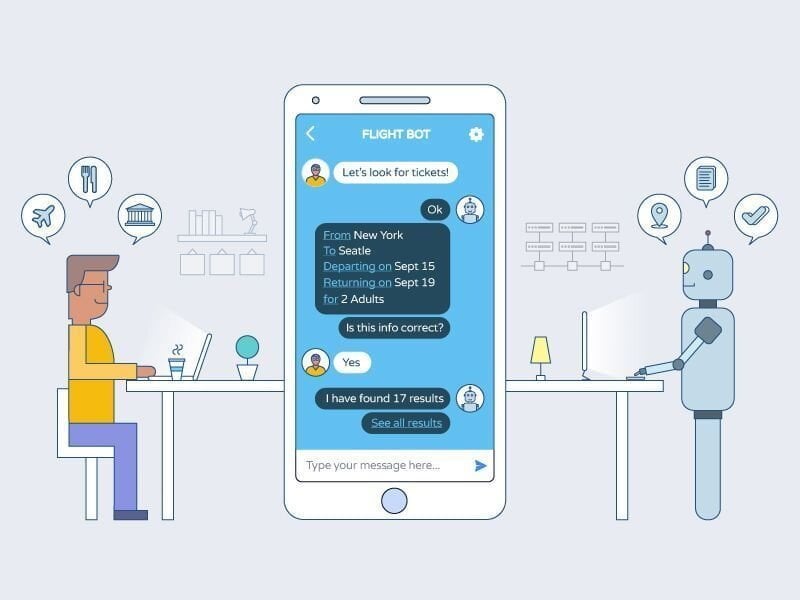
In addition, 56 percent of customers seek a personalized experience when contacting a customer support network. They expect their agent to know who they are, what they are doing, and what concerns they have, and they don’t want to have to repeat their tech problem over and over if they get passed to another agent. With the help of customer data, a live agent can track past interactions with a customer and draw conclusions about support based on the customer’s story. While simple, this benefit of live customer support is impactful. Eighty-four percent of customers are more likely to continue business if they are treated like a person by a representative, rather than a number or ticket. While the technology behind customer data collection helps maintain and store customer information, a personal conversation with an agent ensures the data is used in a way that supplements services precisely and reminds the customer of their value to the company.
More Efficiency, Less Hassle
Some say that digitizing customer support across all channels improves efficiency, but this is not always the case. In fact, half of consumers worldwide will use whichever communication channel is fastest for reaching a human agent while seeking customer support, and only six percent do not prefer or feel neutral towards support from a live agent. The live agent’s role is valued because of the human ability to listen to specific concerns and address them immediately. Currently, the transaction of human communication cannot be replaced by digital innovation. A live agent can react to the concerns of a customer immediately and can determine a course of action to resolve the issue more quickly than a virtual channel can, driving efficiency in resolving issues and ensuring a positive experience. A live agent can also go off-script while providing support, while non-human support systems may hit roadblocks following a customer support software script. This differentiates the conversation between a live agent and a customer from other support resources.

Human communication ensures ongoing, proactive problem solving between a provider and a customer. While moving conversations to online support platforms might seem convenient, it can significantly slow down the delivery of support and lead to frustration from a customer. Humans can typically speak 125- 175 words per minute and listen to up to 450 words per minute while communicating verbally. However, when communicating through a chat function, this number decreases to around 40 words per minute. This significant difference in speed can lead to frustration from a customer and can create barriers to understanding the problem a customer is experiencing. Therefore, the opportunity to speak with a live agent avoids the risk of barriers in solving problems quickly.
Self-Service Is Not Taking Over
Self-serve resources and online chats are becoming more prevalent in tech support. While these resources are valuable, they cannot meet the needs of every customer. Companies may think they are streamlining efficiency by implementing online resources and self-support as their primary means of customer service. However, only 20 percent of companies currently offer this service, while email and phone communication to resolve issues remains the norm. Only one-third of customers will be satisfied by online-only, self-help resources for tech support.
Despite the plethora of tech support options available, speaking with agents remains the favourite method of customer support—in fact, over half of customers globally rank speaking with a knowledgeable agent who can solve their problem as the most important part of their overall satisfaction. That said, customers do not like to repeat themselves, or repeat steps that they have already taken, which often leads to a lot of frustration. Agents who can walk a customer through resolving an issue without handing them off to another agent, or without asking them to repeat steps, can dramatically improve the customer’s overall experience and perception of the company.
The Verdict
With all this considered, it is no surprise that the human touch has been coined as a “luxury” in customer service. While technology is storming customer support services, the value of human communication in problem-solving, relationship development, and overall customer satisfaction cannot be overlooked. As customer expectations continue to climb and tech support needs increase as connected devices proliferate, the live customer support agent’s role will only become more important to customer satisfaction.