How the Rise of ‘Thrifting’ Signals a Shift in Retail in Canada

Date:

Share post:

As Canadians become increasingly environmentally conscious, consumers’ shopping habits and requirements are shifting. Brands are being coerced into transparency in order to maintain relevance and respect with their sustainability-conscious shoppers. The shift from black box brands to glass box brands has been prevalent, arguably all for the greater good, but consumers are also looking at alternative routes to fulfill their fashion needs without leaving a carbon footprint.

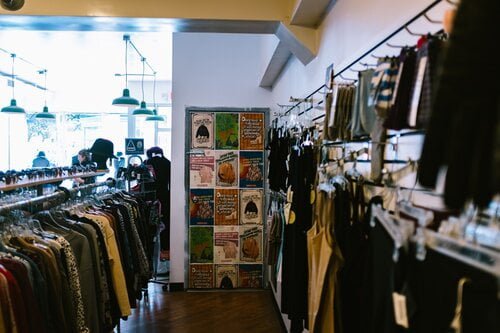
A once stigmatized necessity for some, thrifting is quickly becoming one of fashions most talked about trends in Canada as well as abroad. With an array of thrifting options, both online and within traditional brick and mortar stores, consumers can shop second hand as easily as they’ve always shopped new.

With social media influencers and celebrities making thrifting trendy, and fashion’s cyclical nature perpetually time-turning us back to previous decades, thrifting today is both a popular and convenient method of sourcing new fashion items.

But what’s really driving this thrift store movement?

PHOTO: RACKED

Environmental Reasons?

It’s a known fact that the textile industry is one of the biggest polluters in our modern society. The toll textile production takes on our environment is enormous, and as education around this topic becomes more accessible, many are choosing to shop sustainably where they can.

People are changing their consumer habits where they can, demanding more ethical practices from the brands they support, shopping secondhand, and avoiding the endorsement of fast-fashion retailers. This shift in consumerism is spreading, however, it doesn’t negate the fact that the fashion business is continuously growing, and at a rapid pace. In the last thirty years, fashion has grown from a $500 billion trade to a $2.4 trillion-a-year global behemoth.

For each great, ethical reason to shop sustainably, there’s one hundred social media influences promoting “come thrift with me” videos on Youtube or the “amazing thrift store finds” they discovered through their partnerships with different online consignment platforms. Although perhaps promoting positive consumer habits, these videos and articles not directly promoting educated consumerism. This trend is not necessarily marketed as a sustainably conscious route to satisfying your wardrobe needs. Rather it is showcased as a fun and effective way to find vintage or unusual items to add to your attire — perhaps bargain clothing that is fun to wear for a season but, because it didn’t cost you much, will end up in landfill within a year.

With that said, the big players of online consignment such as Poshmark and DePop are inevitably infiltrating younger generations and creating a community of thrifters. For example, the world’s largest online consignment store, ThredUp, has redistributed 65 million garments to date, as part of its “resale revolution.”
To Thrift or to Consign?

Traditionally, thrift stores, or ‘charity shops’ as they’re known in the UK, were established to service those on the lower end of the economic scale. The aim was to clothe the poor or homeless for a small price, with the proceeds going to charity. Making their way into larger Canadian cities in the early 1990s, thrift stores such as Goodwill and The Salvation Army were leading the game, with all proceeds going directly to their respective charities or religious missions. This is still the case for some, however, thrifting has taken on a new persona and the nature of the industry is changing rapidly.

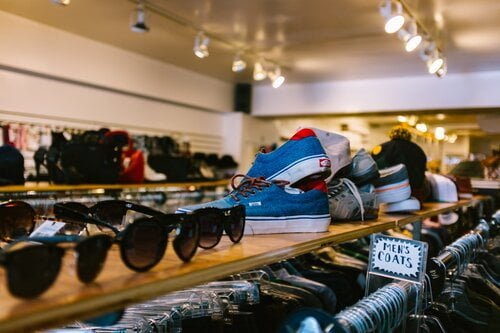
As thrifting becomes more mainstream, the line between consignment stores and thrift stores has become blurred. Traditionally, as mentioned above, thrift stores are not-for-profit. They receive donations and any profits made go directly to charity. Consignment stores, on the other hand, sell secondhand items on behalf of the original owner, who receives a percentage of the selling price, hence the word “consign.” The difference is quite drastic but often the terminology is used interchangeably, creating confusion within the secondhand consumerism world.
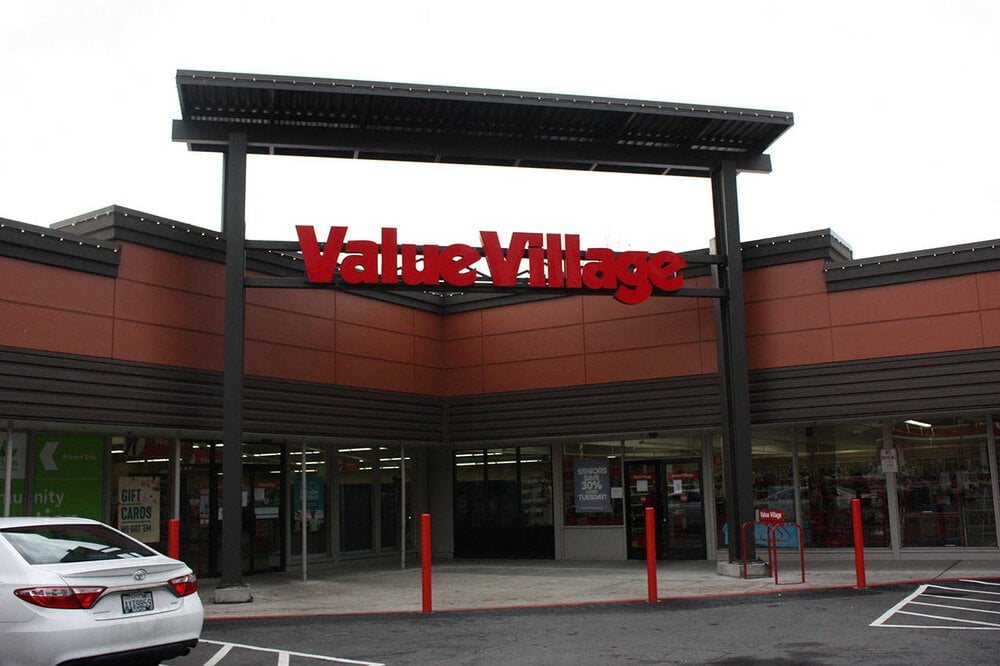
PHOTO: REDMOND REPORTER

Value Village, for example, has come under scrutiny for its drastic price increase in recent years. People were understandably angry when clothing became almost unaffordable for some who had relied on Value Village over the years. However, Value Village technically doesn’t fall into either the “thrift” or “consignment” category. It does not consign items for those who donate; in other words, you do not receive financial credits or otherwise when you donate your items to Value Village. However, the store also operates under a for-profit agenda, technically meaning it is not a thrift store. Yes, it seems contradictory to increase prices of donated clothing that are traditionally intended for people in need, but ultimately Value Village is working towards making a profit.

In 2016, Goodwill closed its Toronto locations because of a cash flow crisis. Faced with competition from other thrift and consignment stores, Goodwill failed to remain financially stable in the fickle world of secondhand consumerism.

DESIGNER EXCHANGE STORES EXIST ALL OVER THE WORLD, INCLUDING CANADA. PHOTO: DESIGNER EXCHANGE

Consequences of Thrifting

Clearly this new wave of thrifting culture is changing the game. It is hindering the more traditional stores in terms of cash flow and in some places, driving a price increase and making thrifting an almost exclusive pastime once again, ironically for polar opposite reasons. For all its negative attributions, however, it is hard to deny that this new trend is not also doing a lot of good. As people continue to shop sustainably, whether it be through traditional channels, boutique consignment stores, or online, it is inevitably contributing to the decrease in our carbon footprint.

As it stands, thrifting isn’t powerful enough to steal market share from mainstream retailers, however with so many closures being announced, it is a possible contributor to the lack of cashflow and foot traffic in malls around the country.

Thoughts on Luxury

Some luxury brands are actually embracing the thrifting trend, as consumers gravitate towards quality items. Some second-hand shoppers have found luxury brands second-hand and have become fans of the brands. With resale prices being strong for some major labels, shoppers may end up selling their secondhand purchases at a profit and may actually purchase new items from luxury brands, which creates a new market that may have not otherwise existed.


RELATED ARTICLES

Subscribe to the Newsletter

Subscribe

* indicates required

RECENT articles

La Caisse invests another $30 million in Cozey as furniture retailer targets U.S. expansion

Montréal-based Cozey will use new financing to expand its physical store network and international presence, including plans for its first permanent New York location in spring 2027.

Stealth Health Eyes Further Acquisitions After MedExpress Canada Deal

Canadian healthcare company Stealth Health has acquired MedExpress Canada and plans further acquisitions in Canada and the United States. CEO Matthew Mazzuca discusses the company’s growing technology platform, pharmacy infrastructure and ambitions for a hybrid physical and digital healthcare network.

TJX Canada Posts Stronger Profitability as Winners, Marshalls and HomeSense Sustain Sales Growth

TJX Canada reported US$1.607 billion in third-quarter revenue and 6% comparable-sales growth, with increased customer transactions and larger baskets. Adjusted segment profit margin rose 120 basis points to 16.1% as Winners, Marshalls and HomeSense continued expanding their Canadian network.

Avril Transforms Former Holt Renfrew Store in Montreal into Grocery and Dining Destination

Avril Supermarché Santé has opened a 12,800-square-foot grocery, wellness and dining location in Montreal’s former Holt Renfrew building. The $5.4-million investment is part of the Quebec retailer’s urban expansion strategy, with three additional stores planned for 2027.

More than one in four shoppers report AI-related shopping scams: Malwarebytes

Malwarebytes research finds 28 per cent of consumers experienced AI-related shopping scams in the past year, raising concerns about fake retail websites, product images and fraudulent delivery messages.

Inside Staples Canada’s Plan to Operate Toys“R”Us Across Nearly 300 Stores

Staples Canada is introducing Toys“R”Us and Parties“R”Us departments across close to 300 stores through 2027. Chief Merchandise Officer Mike Rinaldi explains the operating model, flexible formats, merchandising responsibilities and first Richmond Hill location following the former toy chain's restructuring.

Canadian Consumer Spending Continues to Grow in Q3 as Big-Ticket Purchases Rebound: RBC

RBC reports Canadian cardholder spending rose 1% in the third quarter, with stronger activity tied to big-ticket purchases, regional differences and growing financial stress in Ontario and B.C.

T&T Supermarket More Than Doubles Former Loblaw Store Sales as Canadian Expansion Gains Momentum

T&T Supermarket is generating more than twice the sales of the former Loblaws store at Empress Walk in North York, according to Loblaw CEO Per Bank. Strong performance at Erin Mills adds momentum as the Asian grocery chain expands into major Canadian shopping centres and repurposed retail properties.

Canadians Face Holiday Spending Pressure as Half Carry Credit Card Debt: NerdWallet

NerdWallet’s 2026 Holiday Spending Report finds 28% of Canadians feel pressure to spend more to avoid disappointing loved ones, while 15% of last year’s holiday shoppers are still paying off credit card debt.

AI-assisted gift shopping prompts more thought about recipients

A survey of 8,718 AI users found that most shoppers who used the technology for holiday gifts said it encouraged them to think more carefully about recipients, despite concerns about disclosing its use.

The Children’s Place Liquidation Adds to Leasing Challenges at Canadian Malls

The Children’s Place and Gymboree are liquidating 56 Canadian stores, adding to shopping centre leasing requirements following other national retailer departures. Landlord financial disclosures and original ICSC productivity data reveal differing replacement leasing opportunities across Canadian malls.

Daily Synopsis: November 23, 2026

Children's Place begins liquidating Canadian stores, 50 year old Brampton grocery store closes, lululemon opening in Guelph, and other news.

Higher Food Prices, More Drugs, Emptier Carts

Sylvain Charlebois examines renewed grocery price pressures, declining inflation-adjusted food sales and how wider use of GLP-1 medications could change what Canadians buy. The commentary also considers domestic food processing and transportation infrastructure.

Fashion Art Toronto to Bring 30 Independent Brands to Former Hugo Boss Flagship on Bloor Street

Fashion Art Toronto will bring approximately 30 independent Canadian fashion and lifestyle brands to the former Hugo Boss flagship at 83 Bloor Street West on November 28 and 29, 2026. The free pop-up will combine retail, art and creative programming across three levels.

Canadians Plan to Spend Less This Holiday Season as Deal-Seeking and Buying Canadian Gain Ground: RCC

Canadians plan to spend an average of $911 this holiday season, down 6.5% from 2025, as shoppers prioritize promotions, value and Canadian-made products, according to a Retail Council of Canada survey.

CABUY Builds Directory of 60,000 Canadian-Made Products as Buy Canadian Interest Grows

Burlington-based CABUY has built a bilingual directory featuring more than 60,000 products from approximately 800 Canadian manufacturers. Founder Bernie Langlois explains its product-origin screening, early business model and potential role in helping retailers discover domestic suppliers.

Metro Accelerates Discount Grocery Expansion with 16 More Locations Planned

Metro plans 16 additional discount grocery locations in fiscal 2027, including nine Ontario Metro-to-Food Basics conversions and seven new stores across Ontario and Quebec. The strategy reflects growing demand for value and a selective approach to retail real estate investment.

Buy Now, Pay Later Debt Risks Grow as Consumers Struggle to Manage Multiple Payments

New research finds 40% of Americans have used Buy Now, Pay Later to afford purchases, while overlapping payments and missed due dates are creating financial strain.

Walmart Canada E-Commerce Sales Jump 36% as Price and Wage Investments Squeeze Profitability

Walmart Canada's e-commerce sales increased 36 per cent in its third fiscal quarter, marking four consecutive quarters of growth above 30 per cent. Comparable sales rose 6.4 per cent, but operating income declined as pricing and wage investments weighed on profitability.

The DIG Collective acquires B.C. tea merchant Murchie’s

The Diamond family-owned business group has acquired Murchie's Tea & Coffee, adding the 132-year-old retailer to its portfolio of B.C. consumer brands.