

With businesses across Canada preparing to reopen in the near future, restaurants are scrambling to put measures in place that will satisfy the health authorities and at the same time give consumers a sense of ease in making their decision to dine and drink out again.
Increased vigilance when it comes to cleanliness and sanitization will be paramount and other measures are sure to impact the customer experience in an establishment.
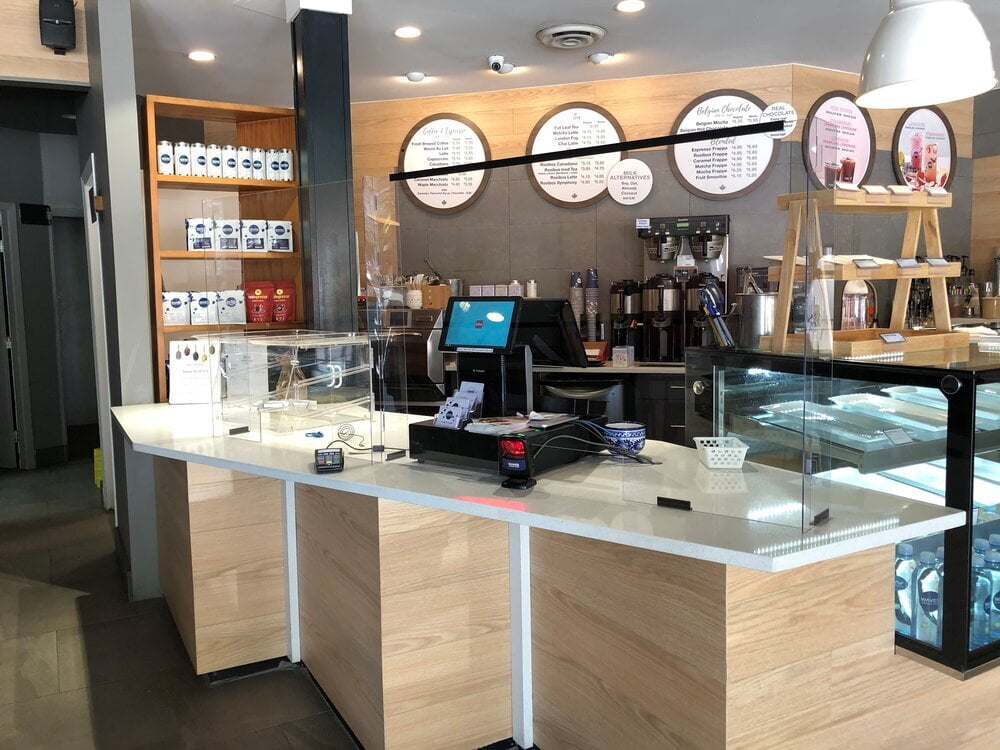
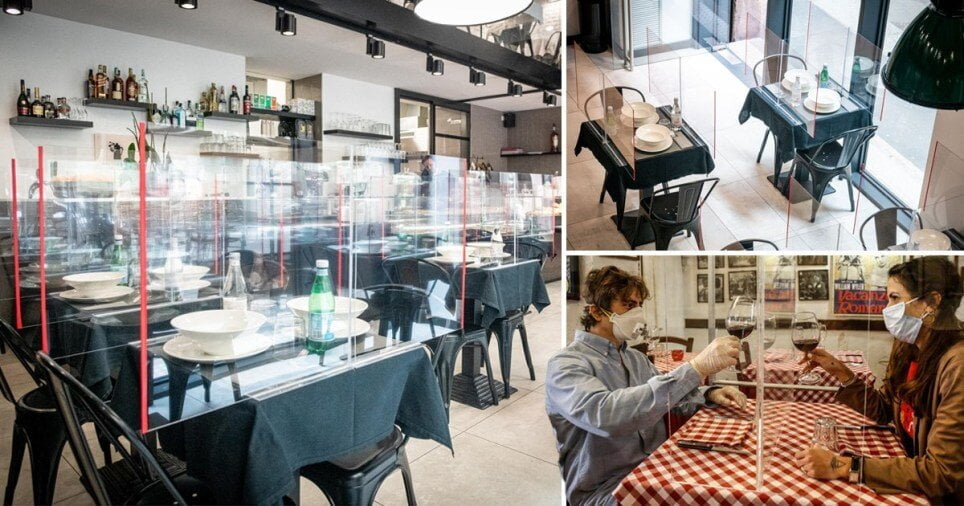
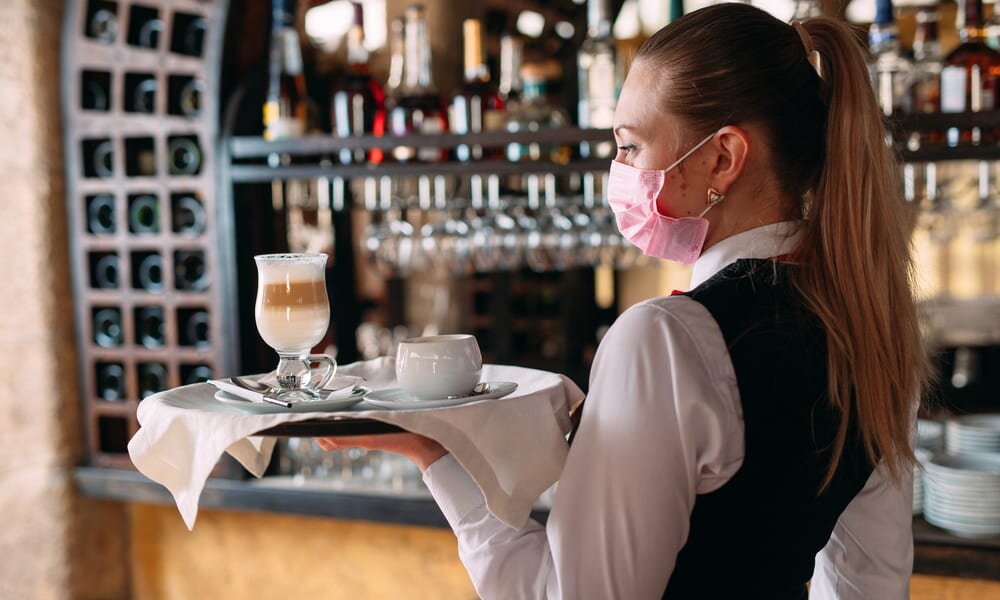
Everything is on the table so to speak including plexiglass shields to separate restaurant and bar staff from customers and customers from other customers, spacing out tables for social distancing, limiting the number of people in a washroom at a single time, servers wearing masks and gloves, tables clear of everything, reducing the number of customers in the establishment at any one time, and placing mannequins at empty tables to make it feel like there are more people there.
Each of the restaurants are going to look different depending on what is going to be mandated by the individual provincial governments.
“They definitely need to consider sanitation and sanitary procedures. One of the big things that’s going to come out of this is that restaurants have always been extremely sanitary so to speak. They have a lot of processes and procedures in place to ensure sanitation but a lot of that always happened in the background and guests don’t necessarily know what goes into ensuring good sanitation procedures are followed,” said David Hopkins, President of The Fifteen Group, one of North America’s leading hospitality industry experts.
“Going forward there will be new processes and procedures to be even cleaner and more hygienic but I think more importantly restaurants are going to need to promote what they’re doing a lot more to the guests and make sure the guests know even the things they were doing before, that seem automatic, but now we want to make sure it’s part of our experience that guests feel comfortable in understanding what we’re doing.”
Food courts in shopping centres and office areas will present their unique challenges. Social distancing will likely mean much of the seating will be covered up or removed. There will also have to be measures in place to deal with lineups.
Hopkins said the company is telling all its restaurant clients that they need to re-work what their profitability model and what their success model looks like. Even the successful restaurant, what it was doing in February and January, most likely won’t be what will continue to make it money in June, July, August, and going forward at least in the short-term because of capacity restrictions, supply chain issues.
“Just because you were making money in January doesn’t mean you will make money in July,” said Hopkins. “So we’re encouraging our clients to not just reopen doing the exact same thing you were doing before and think everything will be great. It’s almost like doing a new opening. Obviously not changing the roots of your concept but certainly it’s almost like developing a new business model moving forward to ensure that you’re not surprised. That’s going to have to be reviewed and adjusted regularly as well. Supply chain issues in June and July may be completely resolved or different in August and September.”
The million-dollar question for the restaurant industry is how will consumers react to the reopening. Some will go back like they did before and maybe even more so as there will be so much pent-up demand. Others will be leery and worried about safety and stay away. Or they will stay away because they have become more frugal in their spending.
“I think one thing we’ve learned from this lockdown is how social we are and how much we crave that social interaction. We crave that experience. I think people will get over it fairly quickly,” said Hopkins. “I think consumers will adapt fairly quickly.
“I think the best (restaurants) are going to be the ones that can incorporate as many of those changes kind of somewhat seamlessly into their operation as opposed to them being an eyesore. Restaurants put a lot of time, effort and thought into creating a brand experience, not just serving food.”
David Lefebvre, Restaurants Canada Vice President, Federal and Quebec, said it’s an encouraging sign that establishments will be reopening.
“We’re not going to have two or three chances to make it right. So we need to make it right the first time,” he said. “That means to continue what was started when delivery and takeout was allowed. Over nine weeks, you’ve not had any COVID outbreak in foodservice or anything related to delivery and takeout. Our industry and our members have proven that when allowed they can do things safely. So it’s just to make sure that it continues with the reopening of some other parts of the industry.
“To make sure that people are safe, they feel safe, and they can at the same time have a good positive experience going to the restaurant.”
Being restricted to a limited capacity will be challenging for restaurants in their cash flow situations. The most recent Restaurant Canada’s survey found that 10 percent of restaurants are permanently closed. It also found that 18 percent said that if nothing significant is done within three months they’re not going to reopen. Also the latest survey found that almost 70 percent of the independent operators say that liquidity will be a problem once they try to reopen.
The industry’s unique challenge was the loss of inventory (food) during the pandemic crisis. So the challenge has been for them to rebuild inventories and re-contact distributors.
“They will need some cash to do this but unfortunately because of the high rents and because of all the things they still need to pay even though they have very, very low revenues a lot of them don’t have the cash to do it,” said Lefebrve.






Restaurants in Ontario have been punished enough. The economic disaster for them has to stop. Now is the time to open patios, followed by restaurants/bars, with social distancing and masks if need by, worn by staff. There is no reason, one cannot sit on a patio and have a beer, at this time. The coronavirus is mainly in nursing homes etc, at this time. The deaths in Ontario, show that 80% of Ontario deaths is in these homes. Yes, something is being done about it. So open restaurants as quickly as possible. This message has to relayed in an effective manner to this Ontario government. Doug Ford, being a businessman, understands, the economic disaster, we have here. Dr. Smith, not so much, as he in a science man. Enough is enough, open up. This article today, pinpoints the disaster in the restaurant business. Who will bail ma and pa bars and restaurants out.