Advertisement
Advertisement

Crackdown on ‘Fraudulent’ Olive Oil at Canadian Retailers Says Expert

Date:

Share post:

Olive production in Italy was hard hit last year due to an early frost. The country’s olive production dropped by 57%. Both Greece and Portugal suffered a similar fate, along with pest issues, and saw their production drop by 35% and 15%, respectively. Pressures generated by shorter supplies with any food product have historically generated more cases of economically-motivated adulteration. This is often the case for spices, tea, vinegar, wine, and of course, olive oil. For fear of losing market share from forced higher retail prices, companies will sometimes commit food fraud in order to cut costs. However, in the case of olive oil, the Canadian Food Inspection Agency appears to have things under control.
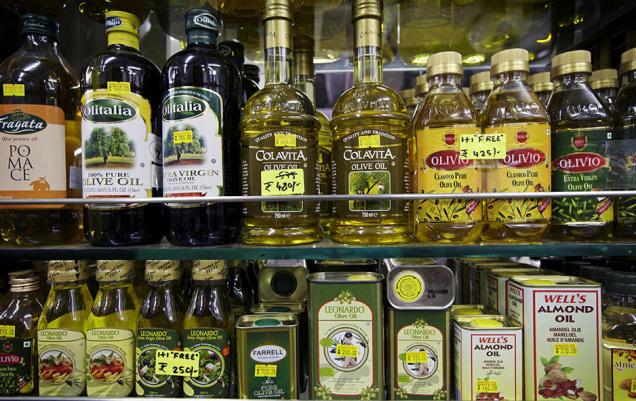
PHOTO: DIET OF LIFE

Since June, 2018, many Canadians have noticed that retail prices for olive oil have gone up by over 40% in some cases. When olive oil gets more expensive to produce, processing companies may be tempted to adulterate their products by using palm oil, soya oil or even sunflower oil. The first cases of adulterated olive oil go back to the Roman Empire, so this isn’t a new issue. Even some well-known brands have been involved in cases of adulteration. It is quite easy to switch ingredients, as most consumers would probably not notice the difference in taste. Food fraud affects many food categories, but stakes are a little higher with olive oil, due to potential allergens in substitute ingredients.

In recent years, the CFIA has actually tested some products if it suspects them to be fraudulent. In 2013, 39% of random tests found adulterated olive oil. A total of 28 samples were collected across the country. That ratio went down to 10% in 2018, with the random testing of 20 samples. Obviously, these results do not mean cases of food fraud are actually down in Canada – far from it – but reports are encouraging, nonetheless. This may suggest that the industry is now fully aware that our federal regulator is checking and will find fraudulent products. Anything more than 0% is too high, but the situation appears to be improving. A study out of California a few years ago estimated that almost 69% of all olive oil imported to North America was fraudulent. Most fraudulent products in the study had been produced using chemicals, making them ineligible to be considered extra virgin. The recent numbers determined by the CFIA are nowhere near that high.

Food fraud remains one of the most significant challenges in the food industry. According to some estimates, the intentional adulteration, substitution or misrepresentation of food for financial gain costs the global food industry well over $70 billion. The practice lowers standards for all in the industry and makes conditions for compliant food companies more difficult. Worse, given that mislabelling is the ultimate outcome of food fraud, many consumers with health conditions are exposed to unwarranted risks from hidden ingredients.
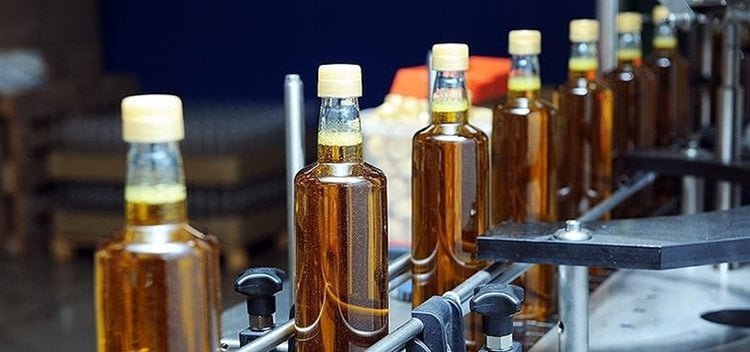
PHOTO: WONDER HOW TO

With new technologies, a change in consumer expectations about food fraud, and regulators playing a more active role, fraudulent behavior is slowly becoming marginalized. Such an accomplishment should be celebrated, but much more needs to be done. Public awareness and education, as well as allowing consumers to report suspicious products should be encouraged. The most common cases of food fraud in Canada remain misrepresentation with organic and local products. A simple laboratory test only to identify foreign ingredients is not nearly enough. 

It has been argued recently that blockchain technologies can help the food industry address food fraud. The concept has merit, but its case for market currency remains to be proven. Many grocers have embraced the approach while facing some resistance higher up the food supply chain. For blockchain technologies to work, all involved within the supply chain must comply.

In the mean time, for olive oil enthusiasts, vigilance is a virtue. Typically, 500 millilitres of good quality olive oil should cost 15 to 16 dollars to produce. Price points at retail for good olive oil should be higher than this. So, if you are looking at a bottle retailed at 10 dollars or less, just walk away. 

LEAVE A REPLY

Please enter your comment!
Please enter your name here

More From Retail Insider

RECENT RETAIL INSIDER VIDEOS

Advertisment

Subscribe to the Newsletter

Subscribe

* indicates required

RECENT articles

CAFA Moves to Montréal as Industry Celebrates 2026 Winners

The Canadian Arts & Fashion Awards (CAFA) celebrated its 2026 winners and honourees at the 12th annual gala in Montréal, highlighting significant contributions to the fashion industry by both established and emerging talents.

From The Desk: Retail Revitalization and Strategic Expansion in Canada

This week’s retail focus highlights strategic Canadian expansions, heritage retail innovation, and the evolving synergy between value and luxury amid shifting consumers, as well as many other topics.

Retail Leaders Outline Strategy Shifts at Rotman Event

Retail leaders discuss strategy, consumer shifts, and growth at Retail Insider’s first in-person event with Rotman.

Inside the Fashion Shoot Shaping Freed & Freed’s Next Chapter

Marissa Freed discusses the creative vision, storytelling, and emotional moments behind Freed & Freed’s latest fashion shoot.

Armco Capital acquires Stephen Avenue Place and adjacent buildings in downtown Calgary

Landmark transaction brings together a prominent Class A office tower and a rare collection of contiguous high-street retail properties on Stephen Avenue, Calgary's most recognized pedestrian corridor.

Retail sales surpass $72 billion in February: Statistics Canada

Core retail sales, which exclude gasoline stations and fuel vendors and motor vehicle and parts dealers, were up 0.6% in February.

Retail security measures driving customers away: DALBAR study

38% of shoppers have abandoned a purchase due to in-store security measures.

Gen Z: Balancing Treats and Budgets

Snacks (52%), desserts (51%), and clothing (49%) top the list of what Gen Z considers most worth spending on.

Amazon focused on protecting the shopping experience 

In 2025, Amazon identified, seized, and appropriately disposed of more than 15 million counterfeit products worldwide, preventing them from harming customers or being resold elsewhere in the retail supply chain.  

DoorDash launching unique Mother’s Day experience

It’s built on a simple insight: moms want one less thing to think about, not necessarily more gifts.

Lunching with Lady Eaton Returns to Toronto May 17

Historic Eaton’s Round Room dining experience returns to Toronto on May 17, 2026, blending retail history with immersive hospitality.

American Express Canada and DMZ’s grant program returns to support Canadian small business

Funded by Amex Canada and administered by DMZ at Toronto Metropolitan University, 100 Canadian small businesses will be selected to each receive a $10,000 CAD grant and mentoring support from DMZ.

Daily Synopsis: Apr 23, 2026

Vegetable prices up in grocery stores, Lululemon shares fall following new CEO announcement, Pacific Mall in Markham adds 'better' tenants, Longchamp expanding to Vancouver, CF Fairview robber wanted for Oshawa heist, and other news.

Calgary Co-Op reports slight sales growth for fiscal 2025

It reported net earnings of $6.1 million compared to a net loss of $10.04 million the previous year.

Maison Territo Showcases Stikki Peaches in New Art and Design Exhibition

Maison Territo presents a Stikki Peaches exhibition, exploring how contemporary art enhances interior design within its Royalmount showroom.

Value and Luxury Dominate Canadian Retail: JLL Study

Value and luxury retailers are driving Canadian retail growth as mid-market brands face pressure in a shifting consumer landscape.

Canada’s Department Stores and the Business of Staying Relevant

At RCCSTORE26, the department store debate shifts from theory to practice, led by two Canadian retailers still shaping the outcome.

EMMYDEVEAUX Opens Kelowna Store as Founder Runs for Mayor

EMMYDEVEAUX opens a Kelowna store as founder Emily Salsbury launches a mayoral bid.

Gastown Plan Targets Retail Revival in Vancouver

Vancouver approves Gastown Public Spaces Plan to boost retail, foot traffic, and tourism ahead of FIFA World Cup 2026.

Canadian GDP to rebound in the first two quarters of 2026: CFIB

Canadian economy grew 1.6% in Q1 2026 and is expected to increase to 1.6% in Q2.